Why you shouldn't Close your business while it’s for sale can have several implications. Here are some considerations:


1. Market Perception: Closing the business might create a negative perception among potential buyers, suggesting that there are underlying issues with the business. Buyers often prefer to purchase operating businesses, as they can evaluate the current performance and profitability.
2. Reduced Value: An operational business typically commands a higher price. Closing could lead to a decrease in value, as buyers may view it as a distressed asset or assume that the brand has lost its appeal.
3. Financing Difficulties: Many buyers seek financing to purchase a business. Lenders typically prefer to finance operational businesses with cash flow. A closed business may face challenges in securing financing.
4. Lease Considerations: Consider your pizzeria to be leased.
5. Inventory and Assets: You’ll need to manage your inventory and assets. If the pizzeria is closed, you may have to deal with unsold inventory and equipment, which can lead to additional costs.
6. Legal and Tax Implications: Consult with a legal or financial advisor to understand any legal or tax implications of closing the business while it’s under sale. This includes potential liabilities or tax consequences from closing operations.
7. Communication with Potential Buyers: If you decide to close, it's crucial to communicate transparently with potential buyers about the reasons for the closure. It helps to maintain trust and mitigate concerns they may have.
8. Offer Transitional Support: If possible, consider offering transitional support to the buyer after the sale to ease the transfer and ensure the continued success of the pizzeria.
Carefully weigh these factors before making a decision!
2. Reduced Value: An operational business typically commands a higher price. Closing could lead to a decrease in value, as buyers may view it as a distressed asset or assume that the brand has lost its appeal.
3. Financing Difficulties: Many buyers seek financing to purchase a business. Lenders typically prefer to finance operational businesses with cash flow. A closed business may face challenges in securing financing.
4. Lease Considerations: Consider your pizzeria to be leased.
5. Inventory and Assets: You’ll need to manage your inventory and assets. If the pizzeria is closed, you may have to deal with unsold inventory and equipment, which can lead to additional costs.
6. Legal and Tax Implications: Consult with a legal or financial advisor to understand any legal or tax implications of closing the business while it’s under sale. This includes potential liabilities or tax consequences from closing operations.
7. Communication with Potential Buyers: If you decide to close, it's crucial to communicate transparently with potential buyers about the reasons for the closure. It helps to maintain trust and mitigate concerns they may have.
8. Offer Transitional Support: If possible, consider offering transitional support to the buyer after the sale to ease the transfer and ensure the continued success of the pizzeria.
Carefully weigh these factors before making a decision!
Categories
Recent Posts

117 Davey ST Buffalo, NY 14206

24 Windwood Ct, Cheektowaga, NY 14225

145 N Ogden ST Buffalo, NY 14206

4209 Polly LN Hamburg, NY 14075

New York housing market gains momentum in July
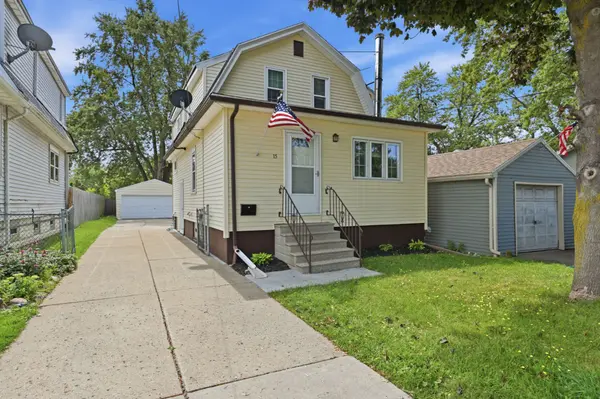
15 Southcrest Ave, Cheektowaga, NY 14225

2195 Clinton ST Buffalo, NY 14206

The "Zillow Tax": Why Homes on Zillow Sold for 1.3% Less

The 50 Largest U.S. Markets for New-Home Sales in 2026
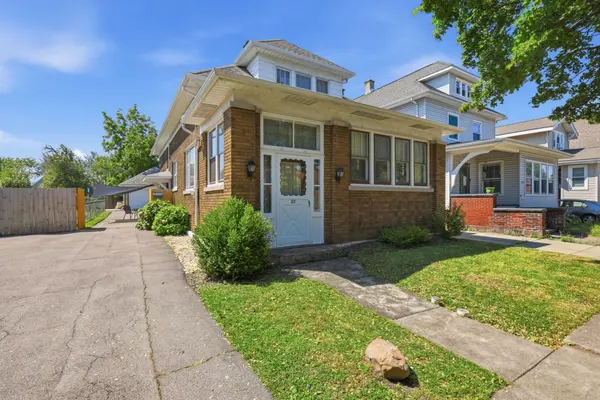
For Sale 27 Ludington St, Buffalo, NY 14206